01
Demolition
Planned demolition for commercial, industrial and residential structures, with the method matched to the building, surroundings and programme.
Get in touch now →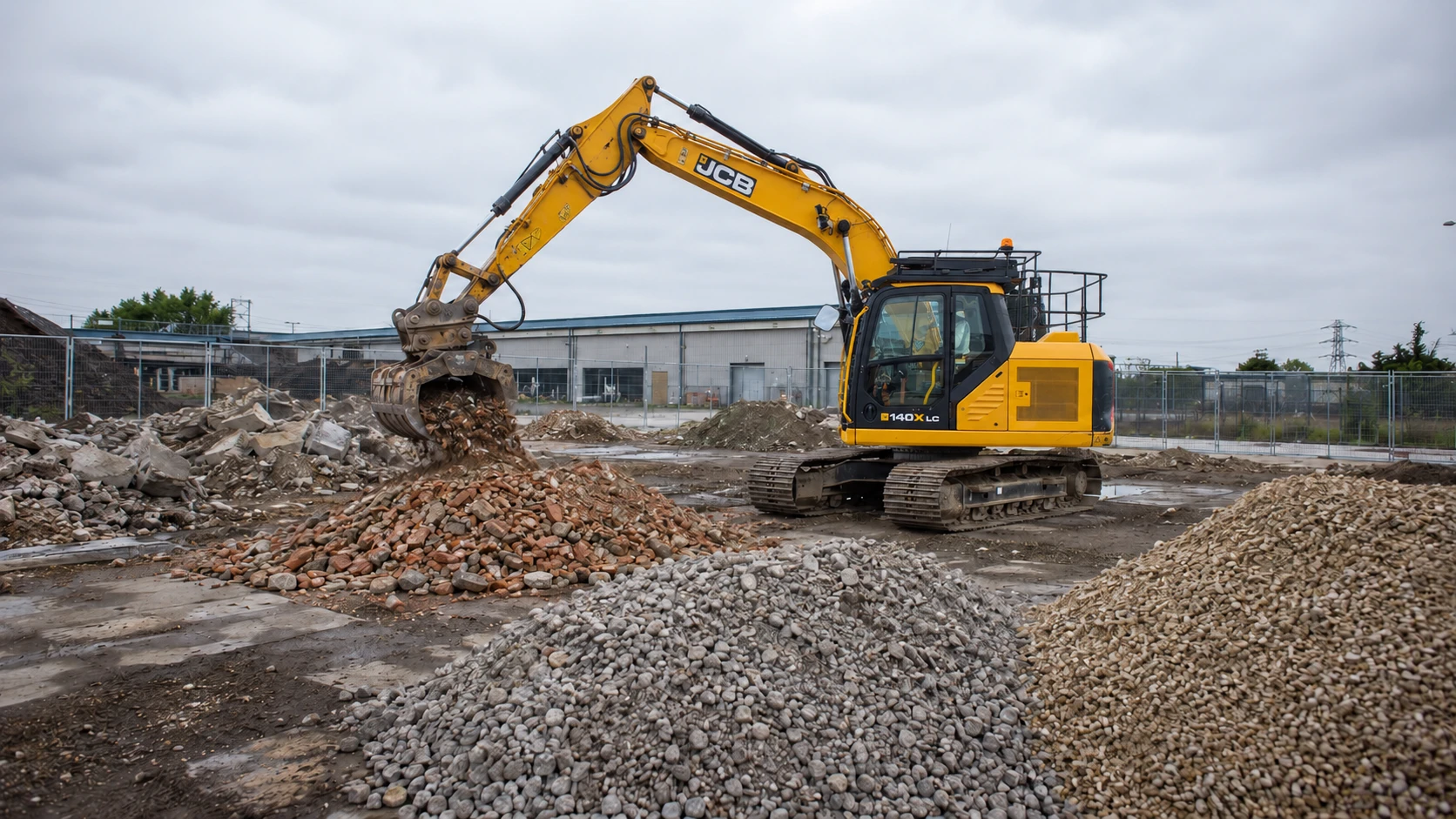
Demolition & Enabling
Demolition, soft strip, asbestos removal, building-derating works, enabling and clearance with the technical planning needed to carry the work out properly.
Discuss a projectWhat LDC can cover
Keep the brief simple at the start. We can review the site, understand the constraints and identify the right route from there.
Planned demolition for commercial, industrial and residential structures, with the method matched to the building, surroundings and programme.
Get in touch now →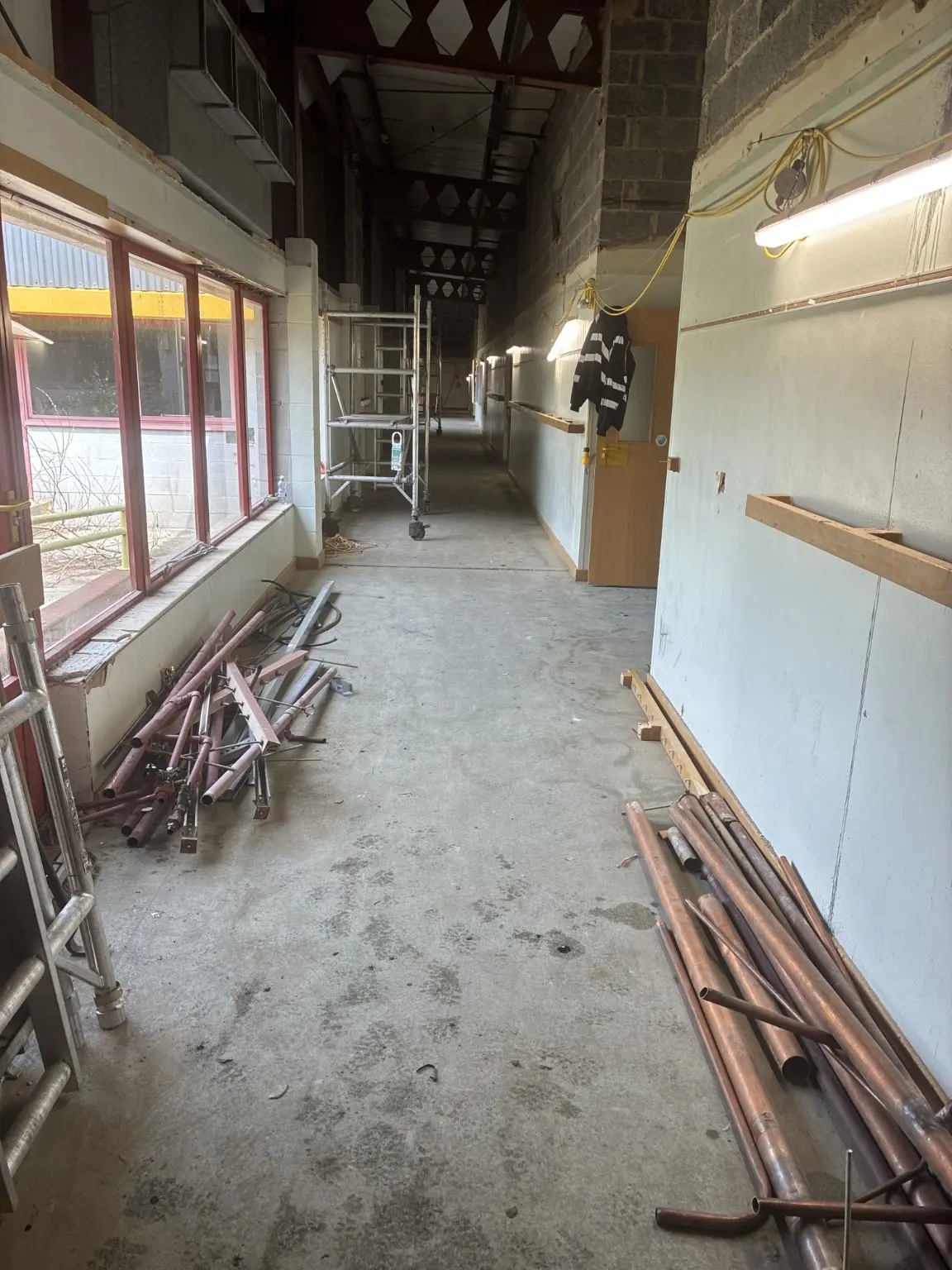
Internal and external strip-out to prepare buildings for refurbishment, structural alteration, demolition or change of use.
Get in touch now →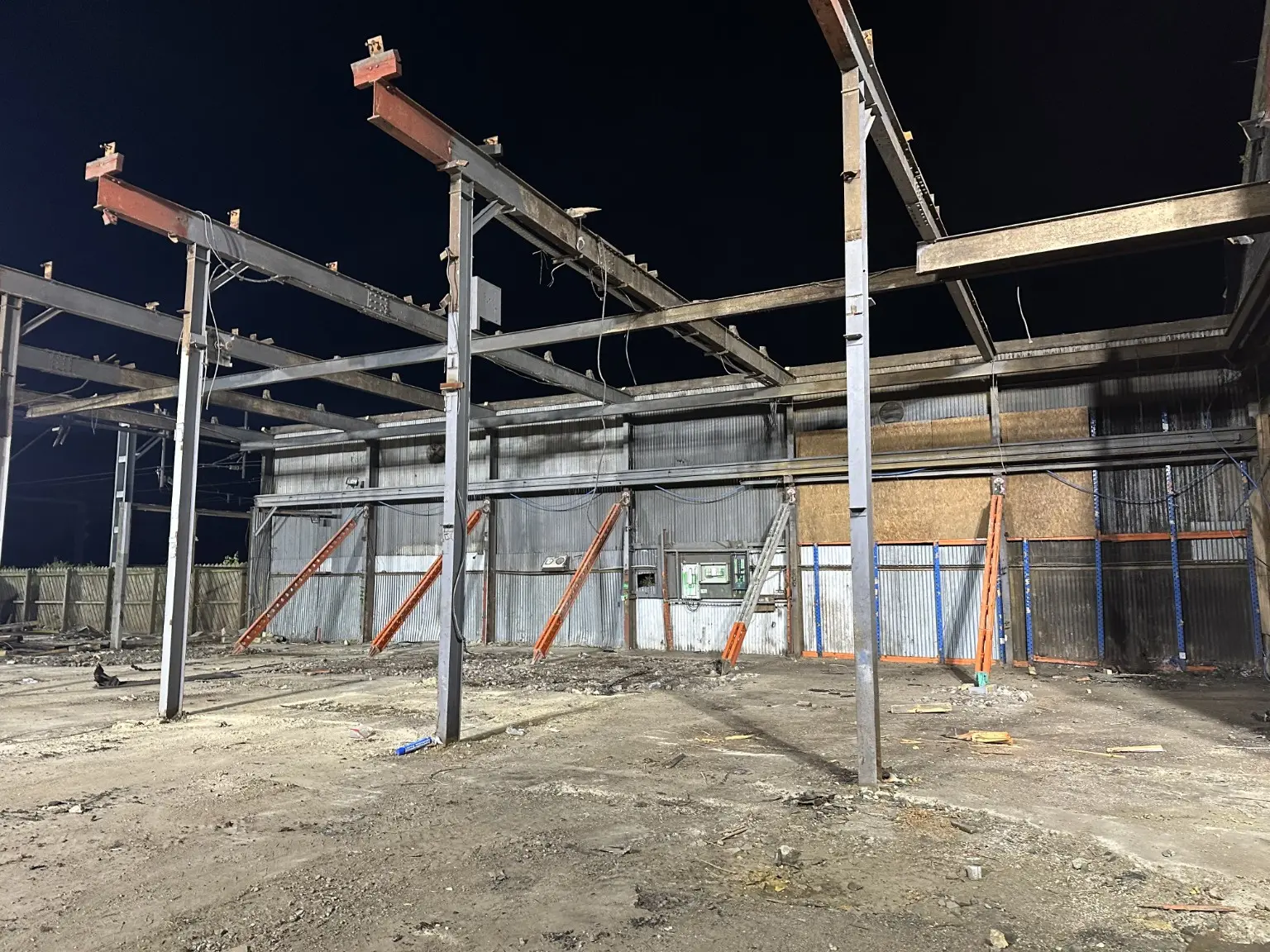
Non-licensed asbestos removal including suitable cement roof sheets, floor coverings, bitumen products and gaskets, with licensed specialist contractors coordinated where required.
View service →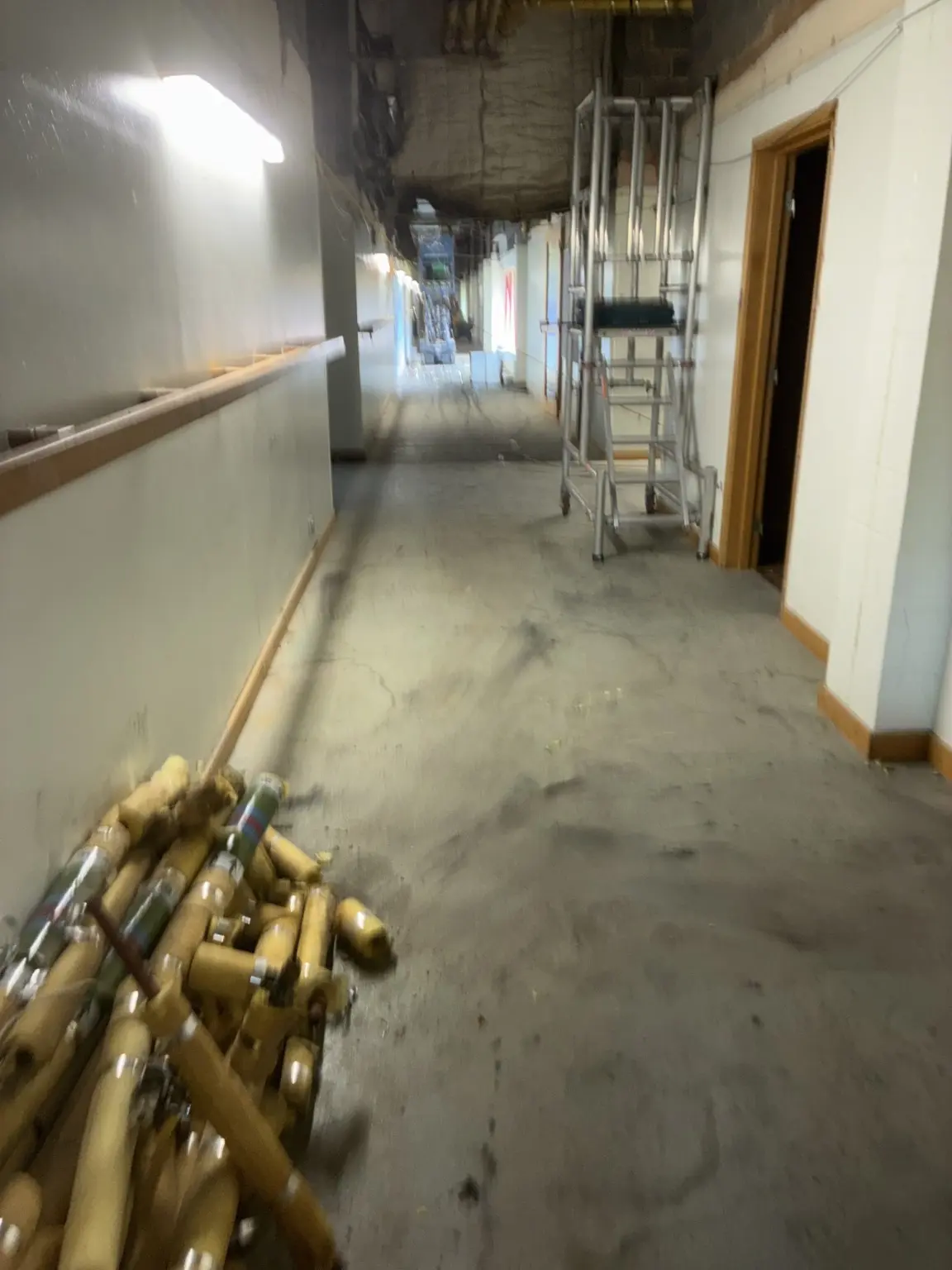
Commercial soft strip and demolition packages planned around genuine redevelopment and building-derating requirements, with clear records of the work completed.
View service →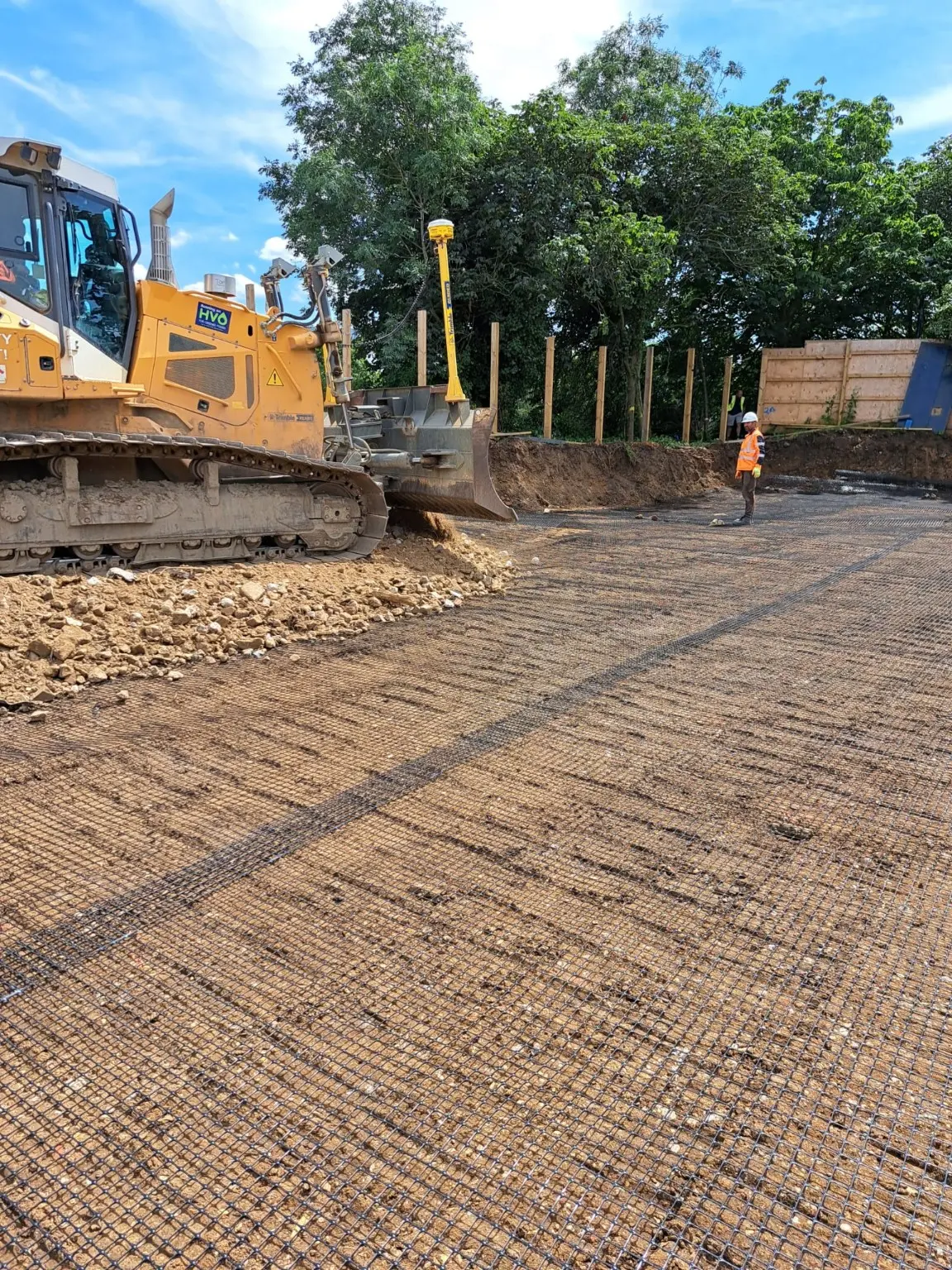
Early-stage works that clear constraints, reduce risk and prepare the site for the next construction phase.
Get in touch now →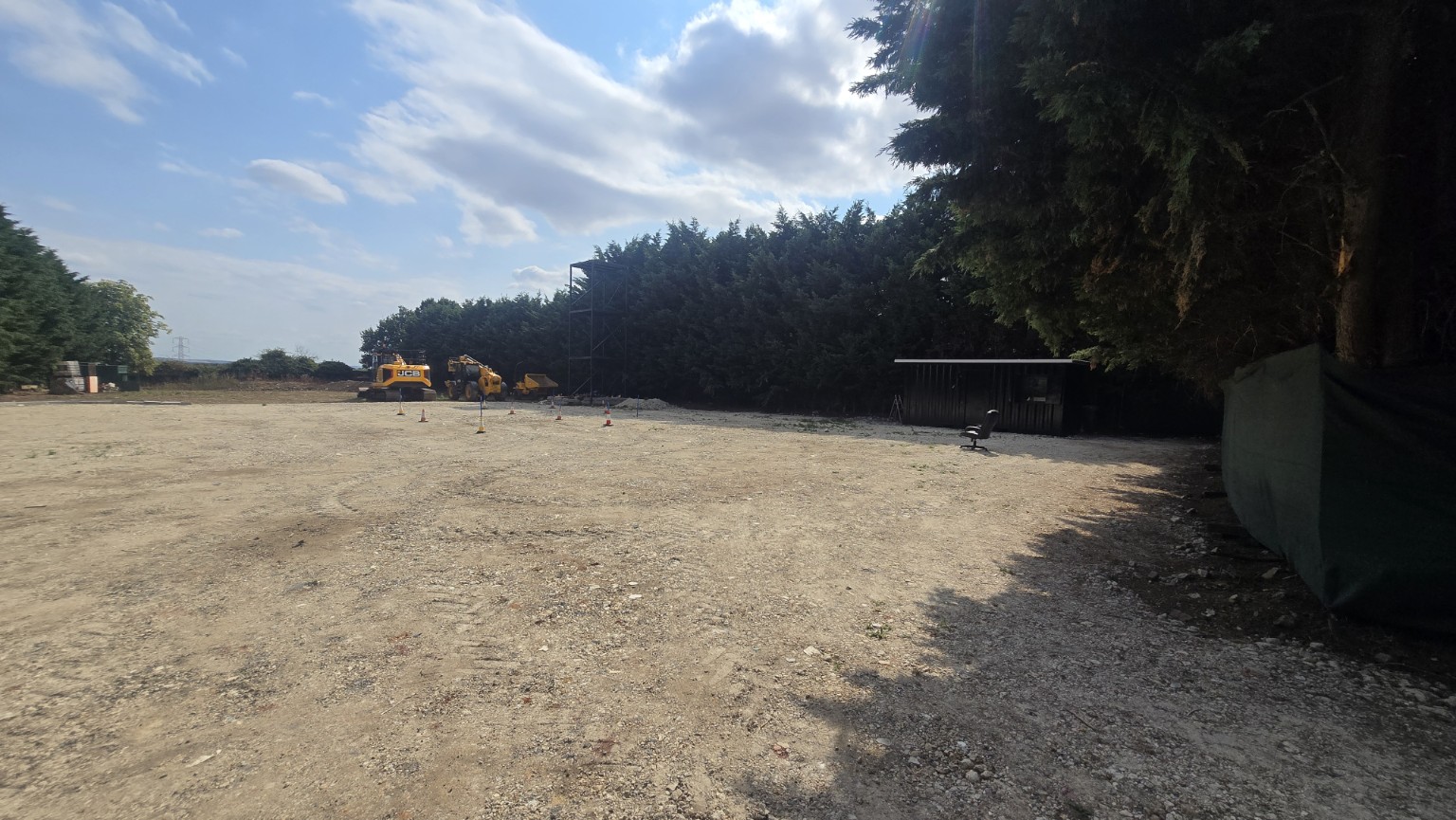
Plant-led clearance, material segregation and practical handover of a clean, workable site.
Get in touch now →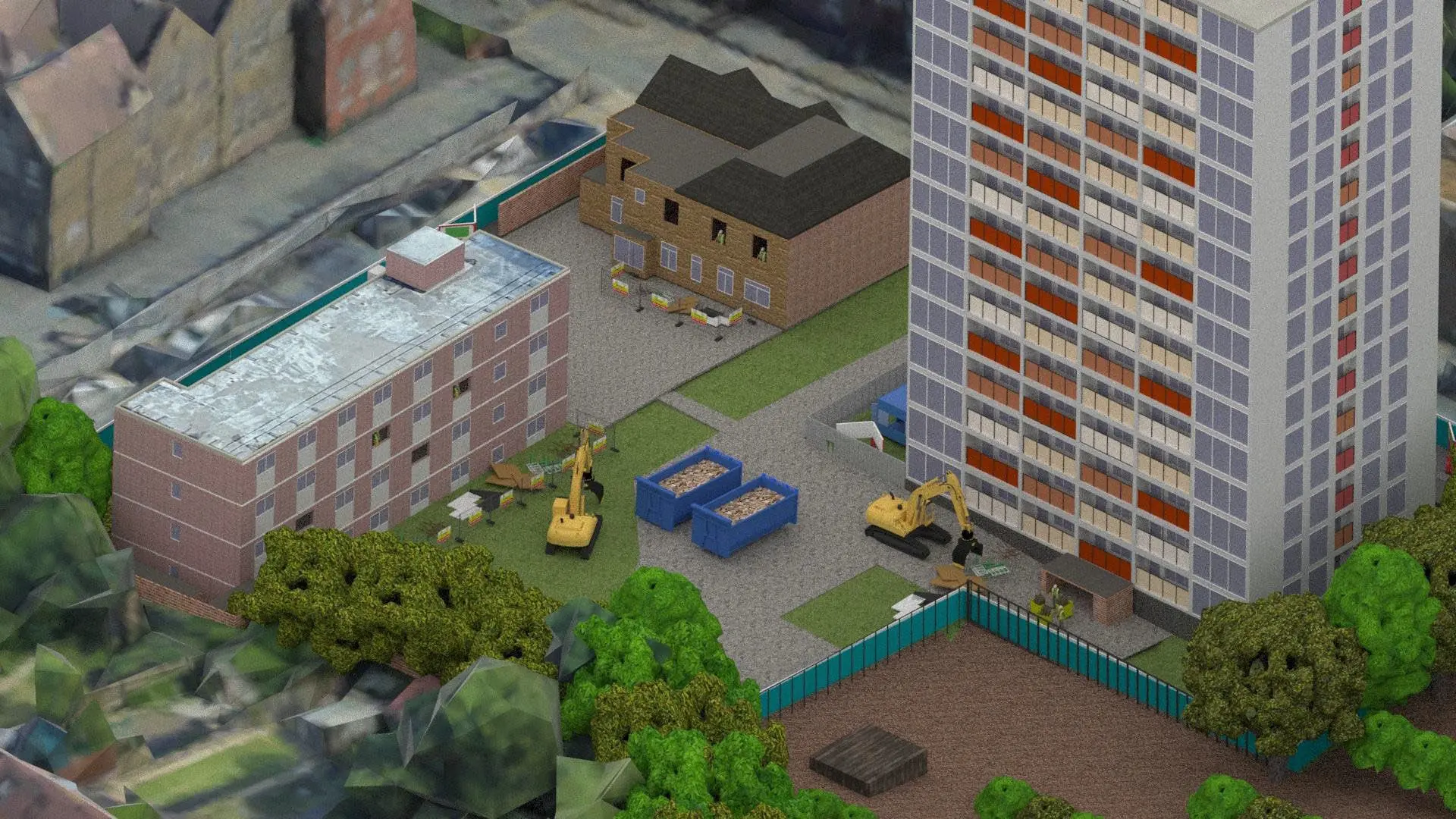
Site-specific method statements and risk assessments, with 3D sequencing visuals available to show plant, zones, movements and the planned method clearly.
Get in touch now →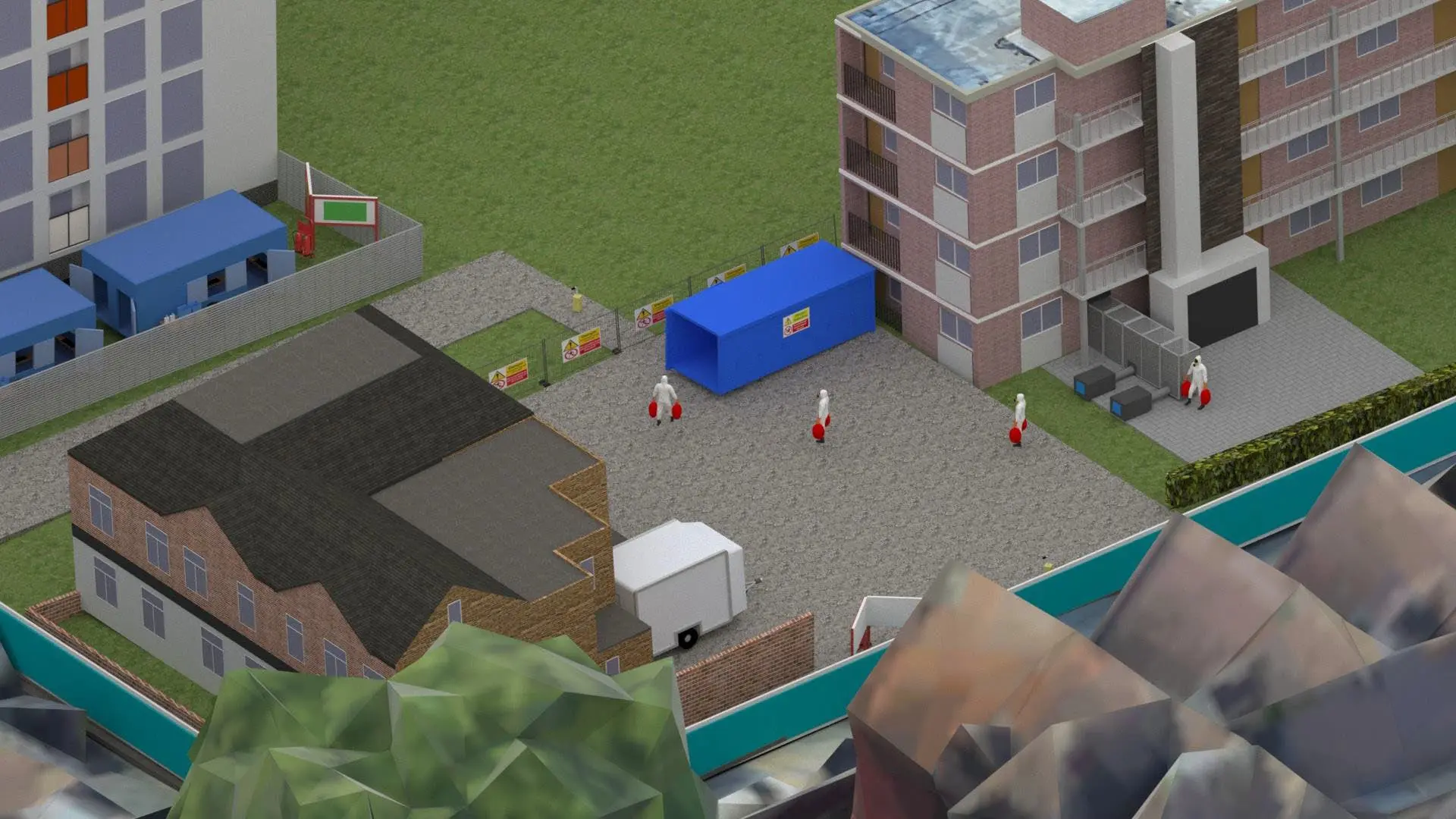
Practical construction phase plans coordinated with the project scope, risk controls, logistics, responsibilities and programme.
Get in touch now →Asbestos removal
LDC undertakes suitable non-licensed asbestos removal, including carefully removed asbestos-cement roof sheets and rainwater goods, floor tiles, bitumen products, gaskets, rope seals and similar firmly bonded materials.
Every scope is checked against the asbestos survey, material condition and task risk assessment. Notifiable non-licensed work is managed where applicable, while higher-risk licensed work is coordinated through approved HSE-licensed specialist contractors.
View asbestos removal serviceEnabling works in more detail
LDC can deliver the core works directly and coordinate specialist subcontractors where the scope needs them, giving the client one clear route from clearance through to a construction-ready site.
Formation, placement and maintenance of stable access and working areas, with specialist design or verification arranged where the scope requires it.
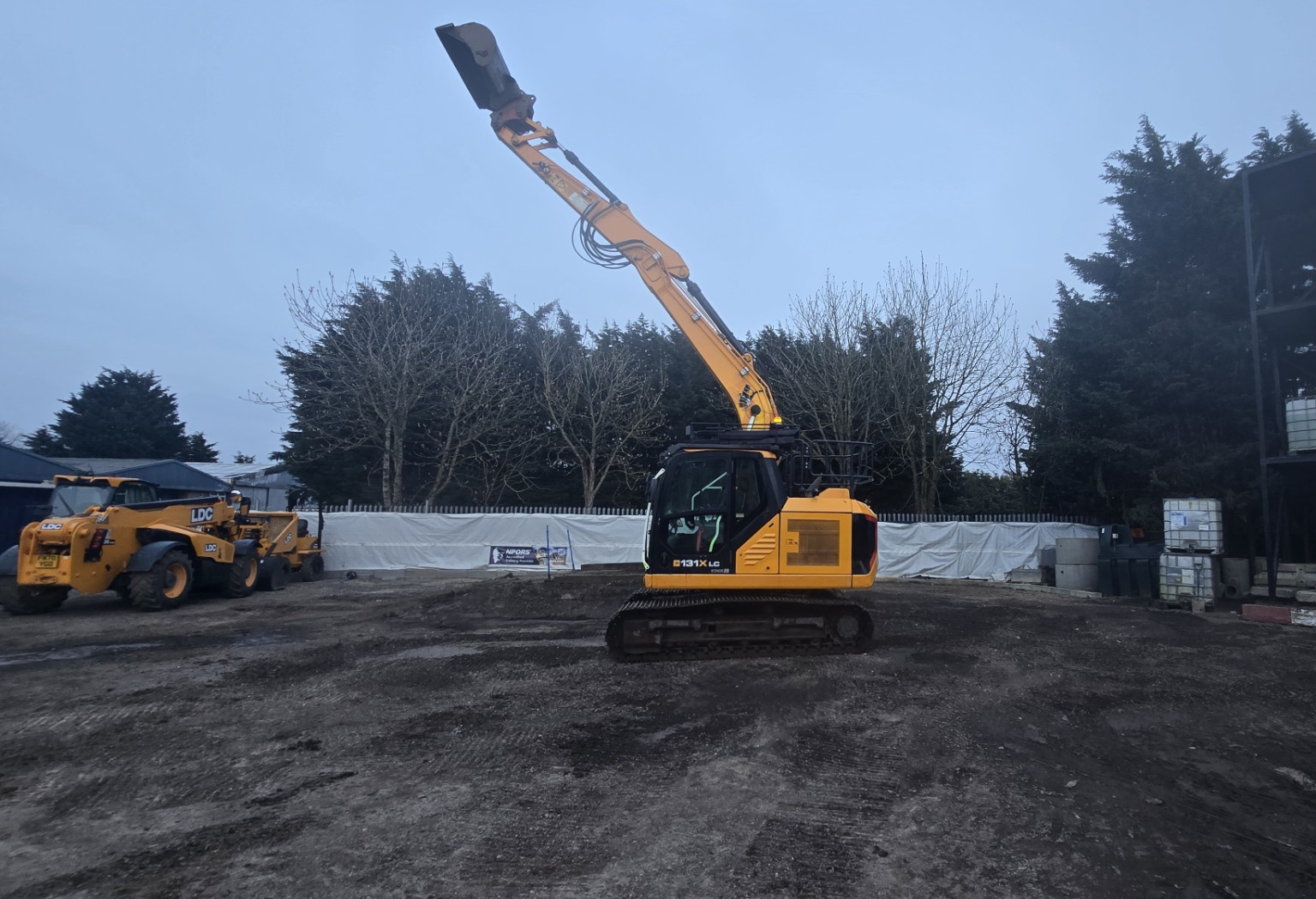
Controlled excavation to the agreed formation level, coordinated around drawings, services, sequencing and material movements.
Excavation, grading and redistribution of suitable materials to help establish the levels needed for the next phase.
Clearance of redundant structures, slabs, obstructions, vegetation and general site arisings before construction starts.
Practical clearance of trees, scrub and vegetation, with arboricultural or ecological specialists coordinated where required.
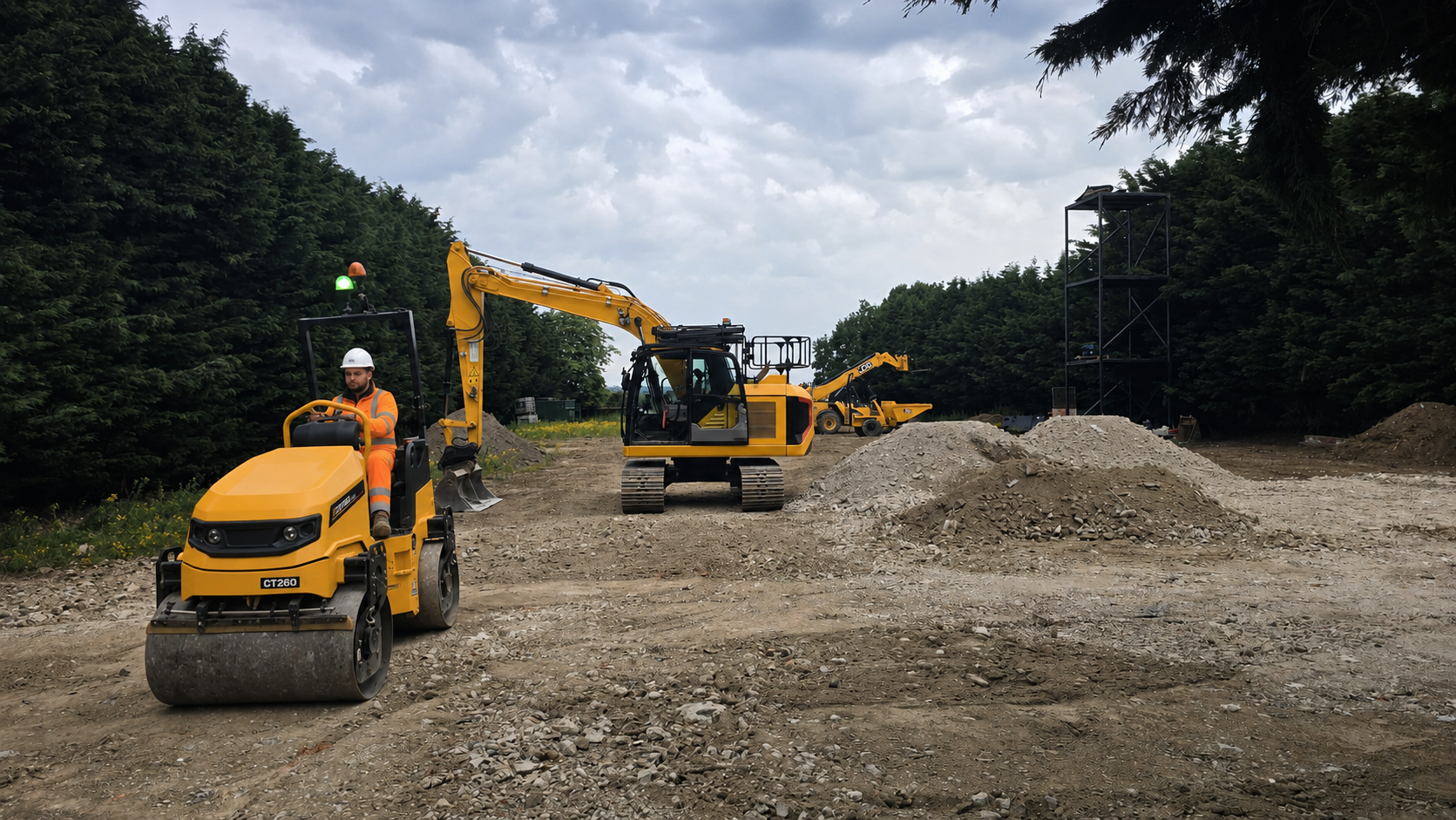
Temporary access routes, stone working areas and hardstandings formed to suit site traffic, plant and programme.
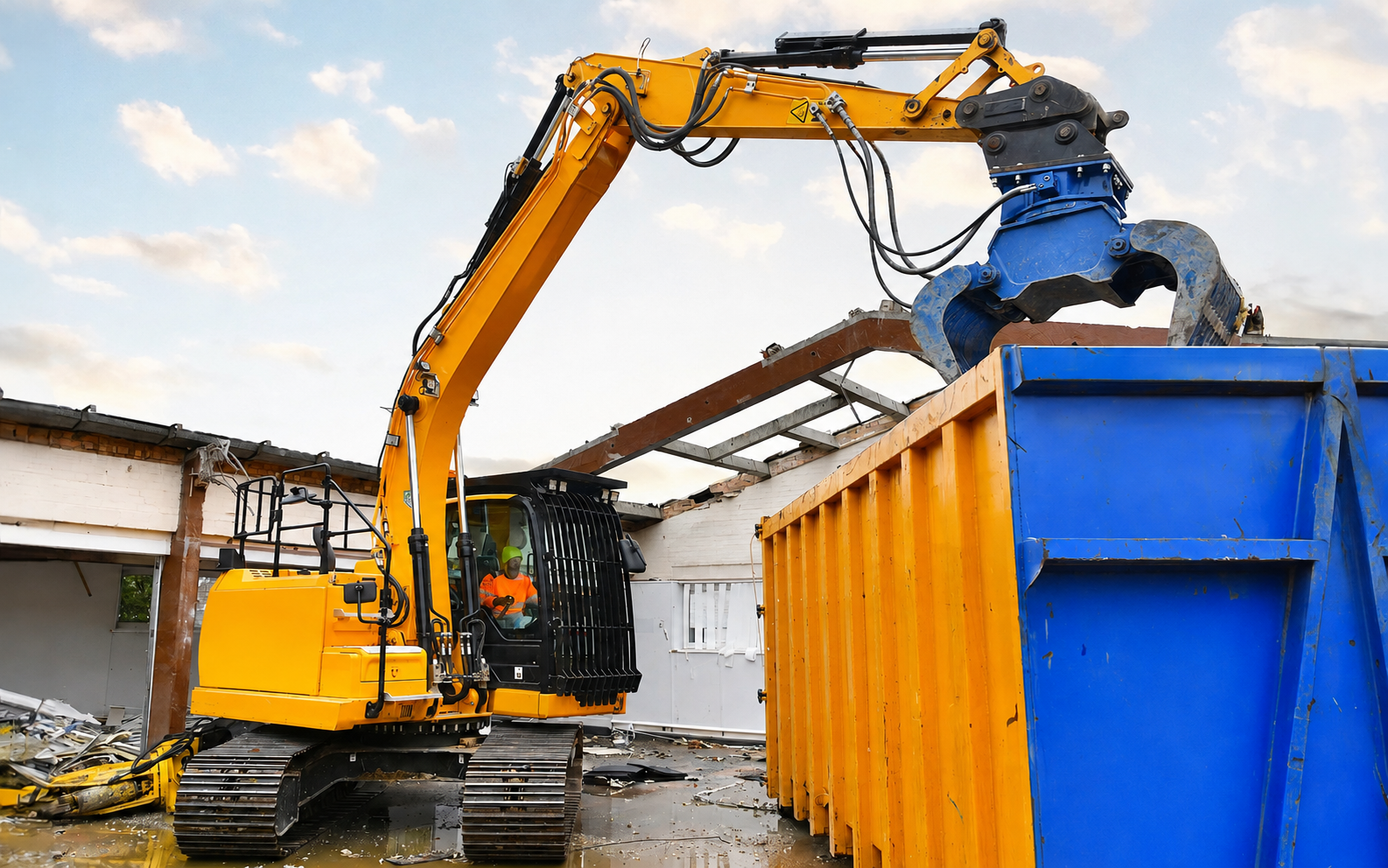
Segregation, processing, reuse and removal routes planned around space, waste classification and the job programme.
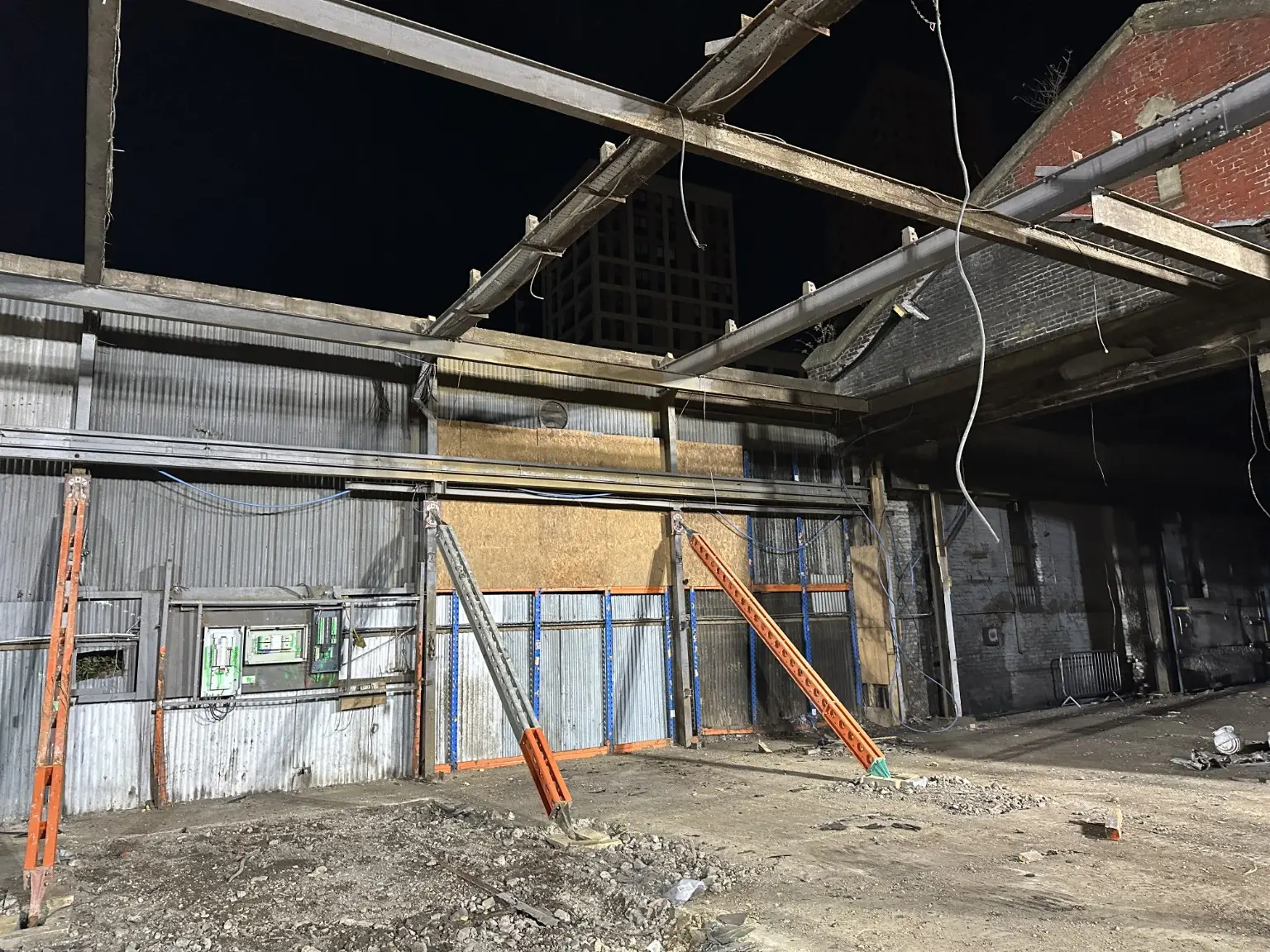
Coordination around retained columns, RMD raking props and staged demolition beside sensitive interfaces, with the right specialist input for the design.
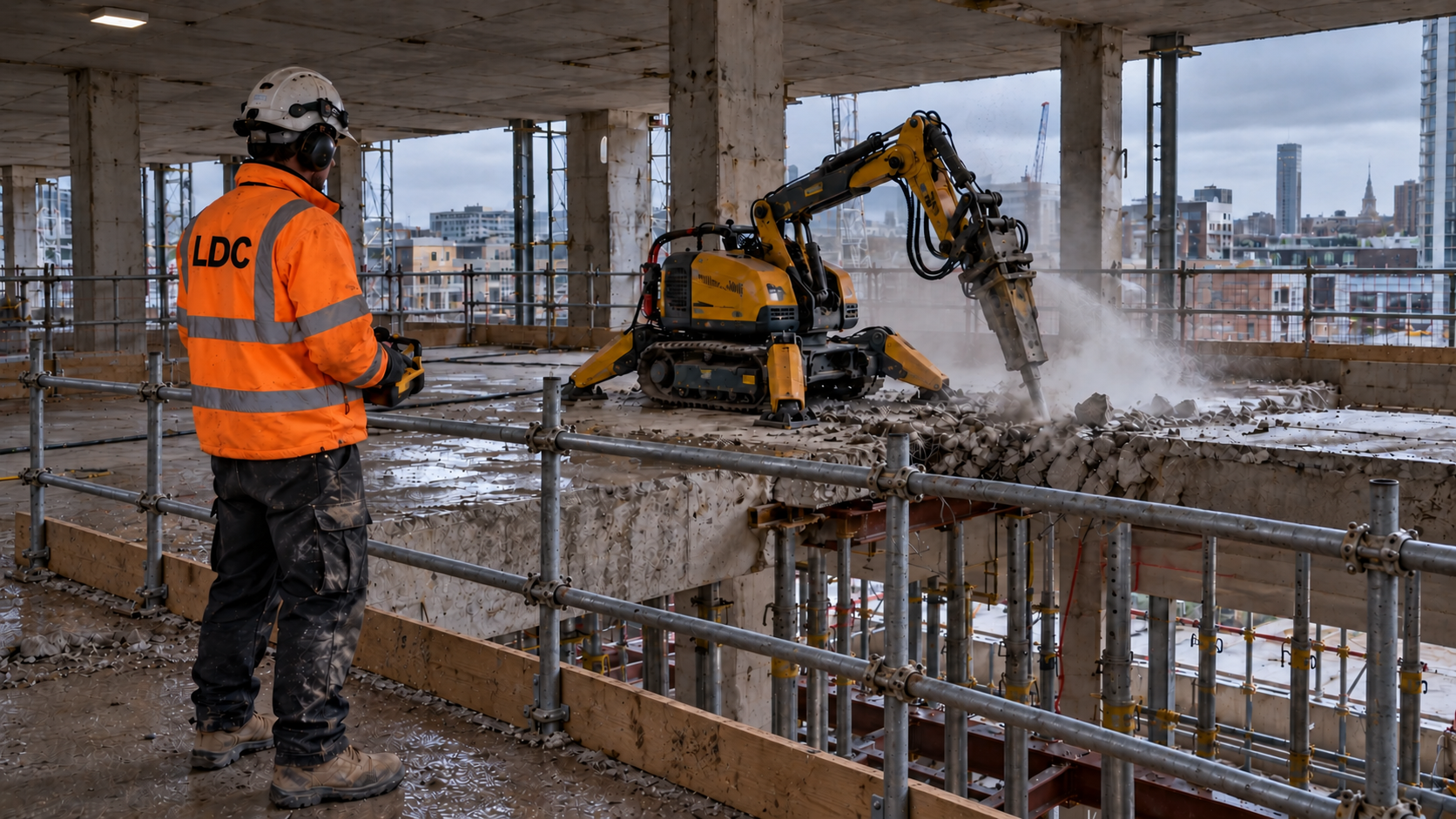
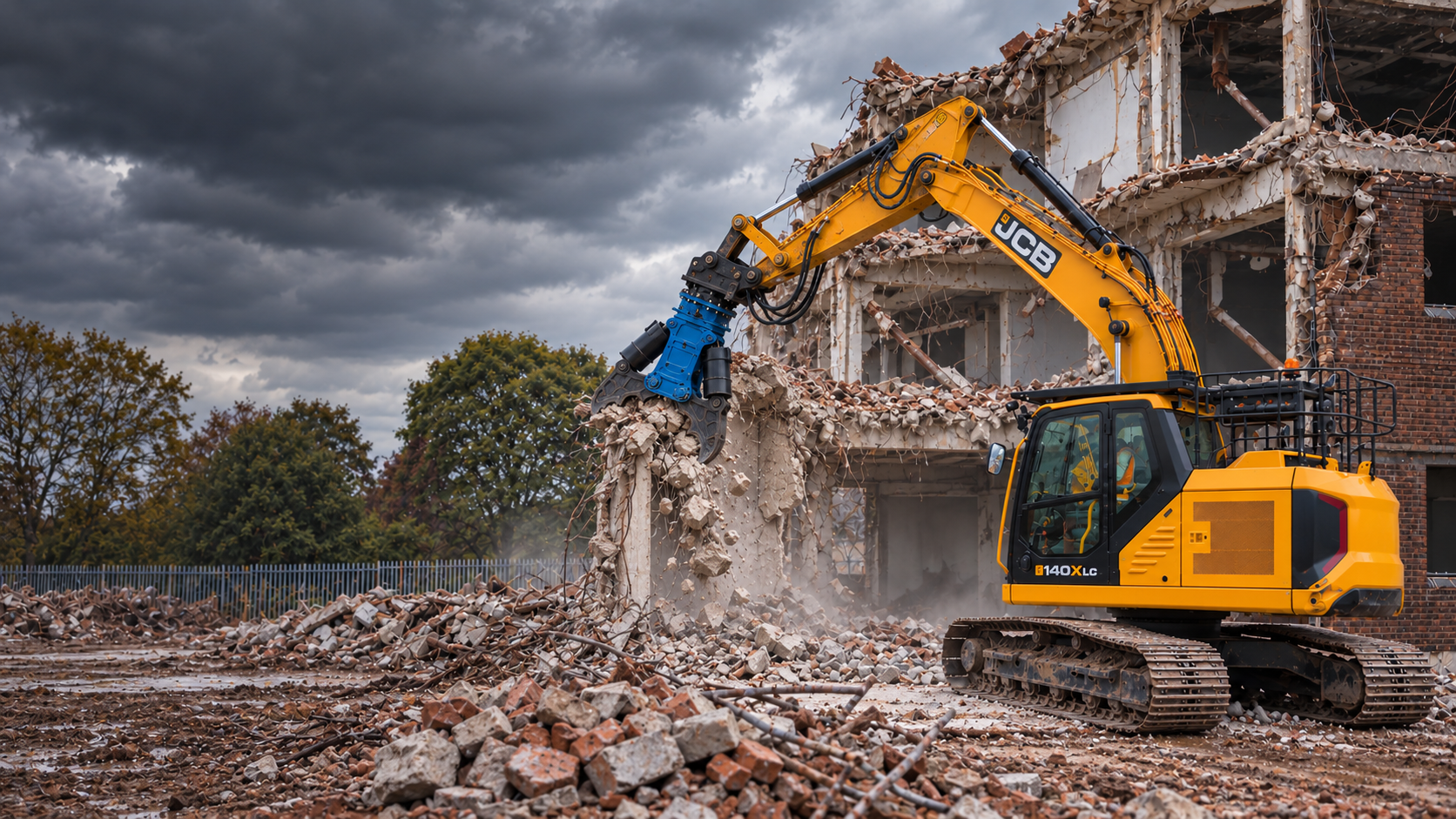
Demolition & enabling in practice
Plant selection, working areas and safe movements planned around the structure, ground conditions and the job sequence.
Sustainability
Sustainability is planned into the method, plant selection, material handling and supply chain—not added as a line at the end of the job.
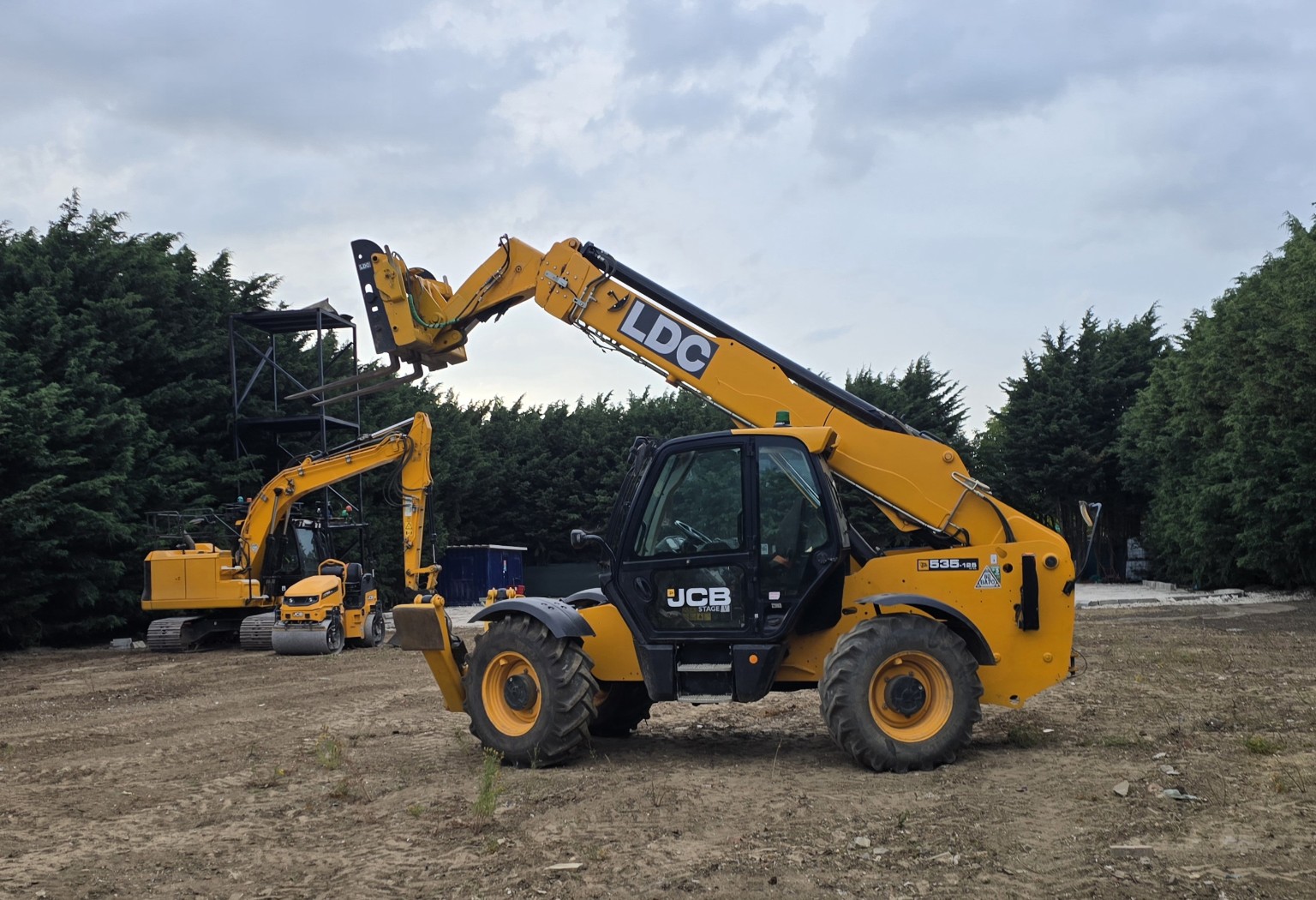
Stage V-compliant plant is used for LDC-controlled works, helping reduce regulated exhaust emissions compared with older plant generations.
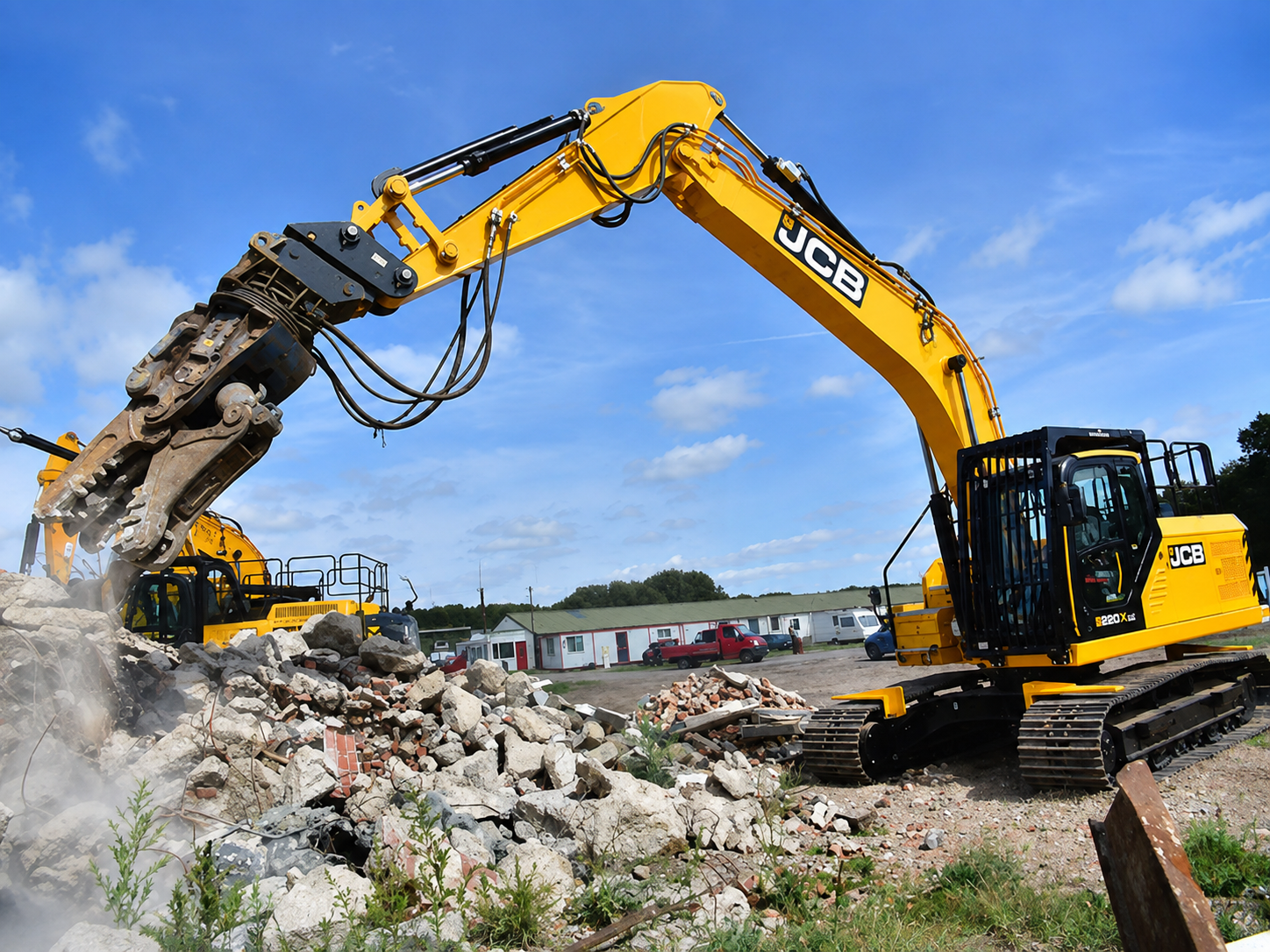
We target recovery or recycling of up to 98% of suitable demolition arisings by weight, subject to contamination, waste classification and available recovery routes.
Local suppliers, labour and recycling outlets are used where competence, availability and the project requirements allow.
Suitable concrete, masonry and other materials are assessed for processing and reuse on site where the design, specification and space allow.
Metals, timber, plasterboard, concrete and mixed waste are separated wherever practicable to improve recovery quality and reduce landfill.
Local recycling outlets, consolidated loads and practical plant planning help reduce unnecessary haulage and double handling.
Licensed carriers, waste-transfer documentation and approved destinations provide a clear record of where materials have gone.
Final recovery figures are project-specific and can be reported against the actual waste and material records for the job.
Strip-out
Soft strip and full internal strip-out can cover toilets, kitchens, fixtures, finishes, services, partitions and other non-structural elements, with materials segregated and the building left ready for refurbishment, alteration or demolition.
For property owners pursuing a genuine commercial building-derating or rating-list review, the scope can be coordinated around the intended redevelopment and the evidence requirements agreed with the client's rating adviser. A rates reduction cannot be guaranteed and remains a decision for the Valuation Office Agency.
Recent soft-strip progress
These genuine recent-job photographs show controlled internal removal in progress, with redundant services, finishes and other non-structural elements cleared in sequence.
Strip-out in progressClearance progressingGenuine recent-job photographs supplied by LDC. They show work in progress rather than a staged before-and-after sequence.
Qualified technical support
Site-specific method statements, task risk assessments and construction phase plans are prepared around the actual structure, site, sequence, logistics and plant. Where it helps communicate the method, 3D visuals can show working zones, plant positions, deliveries, material movements and the planned demolition sequence.
Discuss technical supportA straightforward start
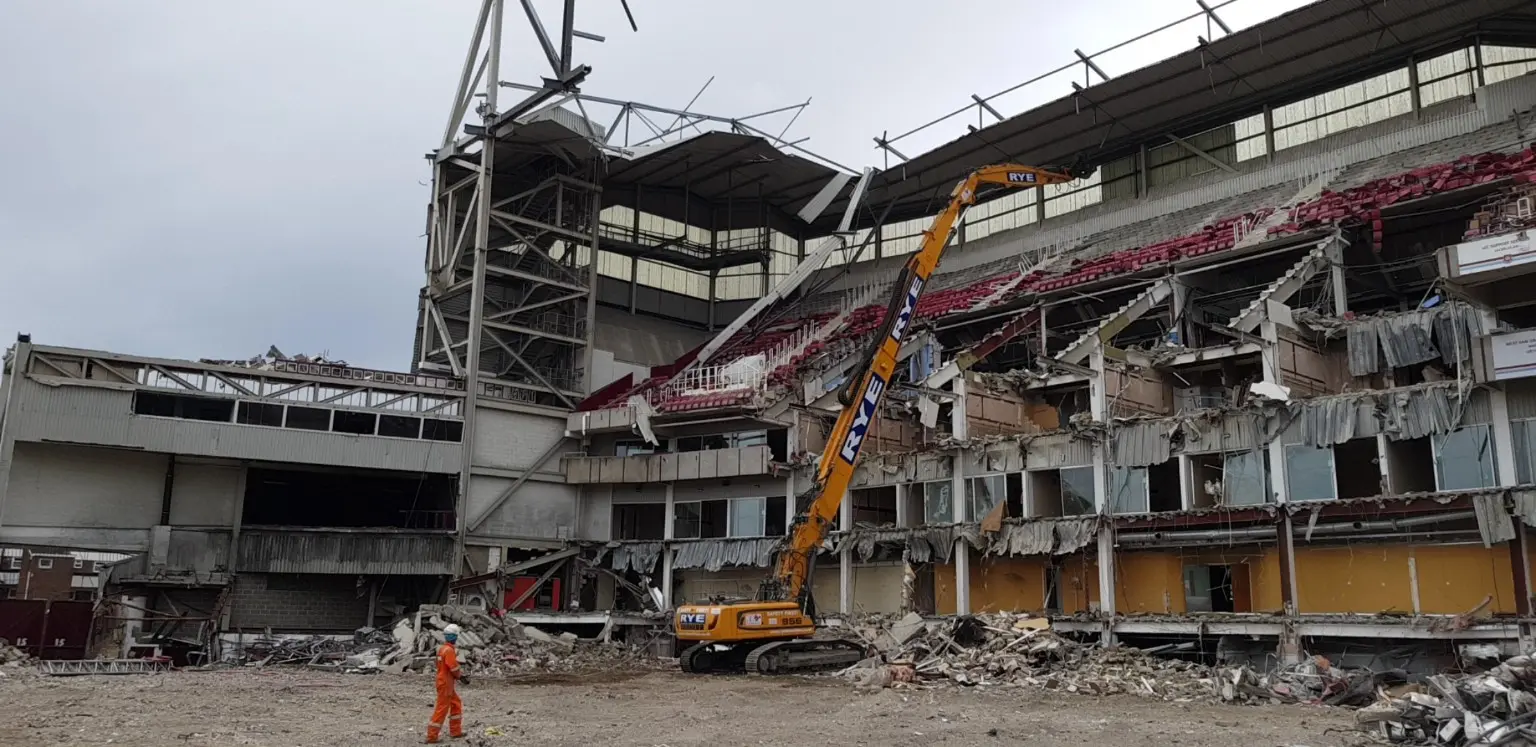
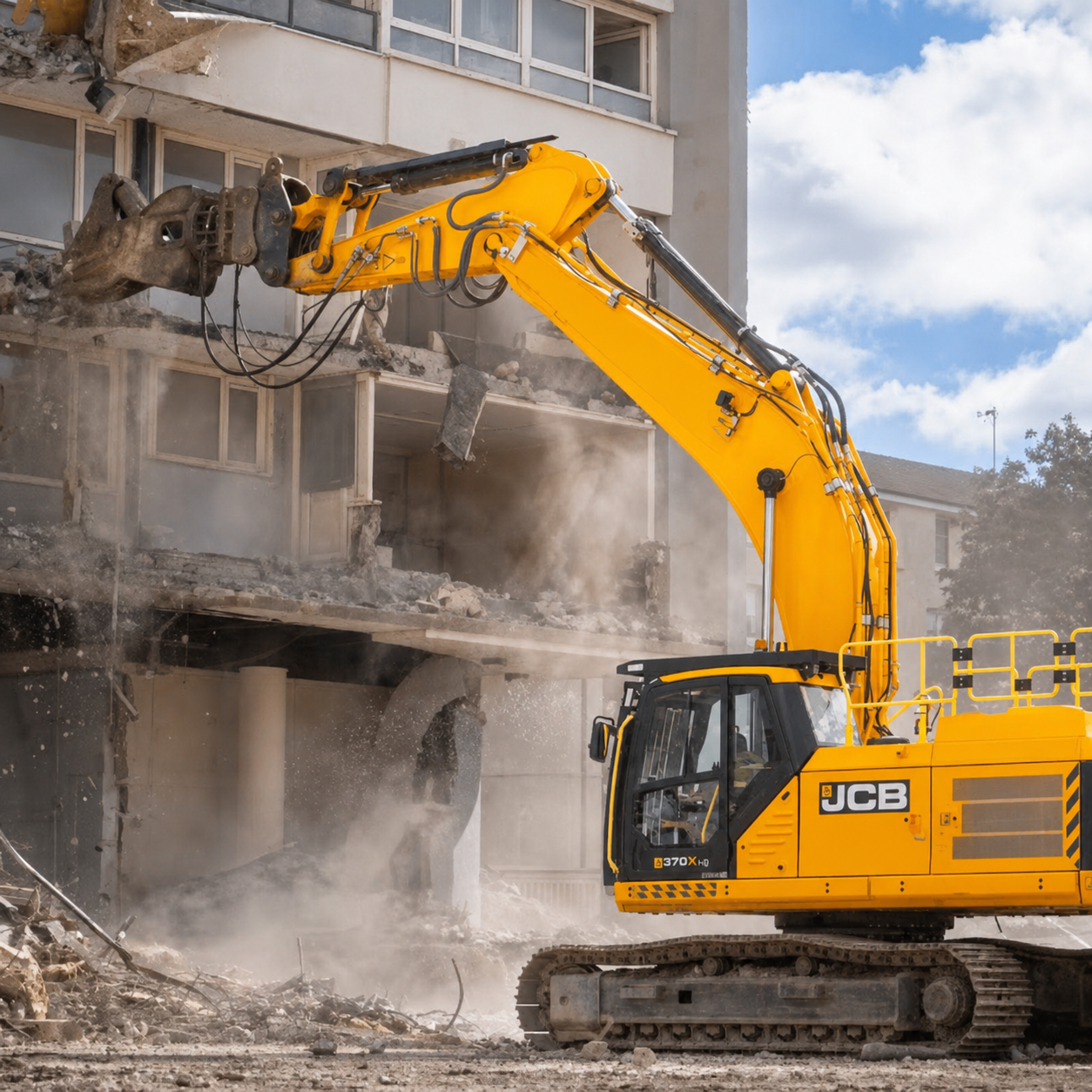
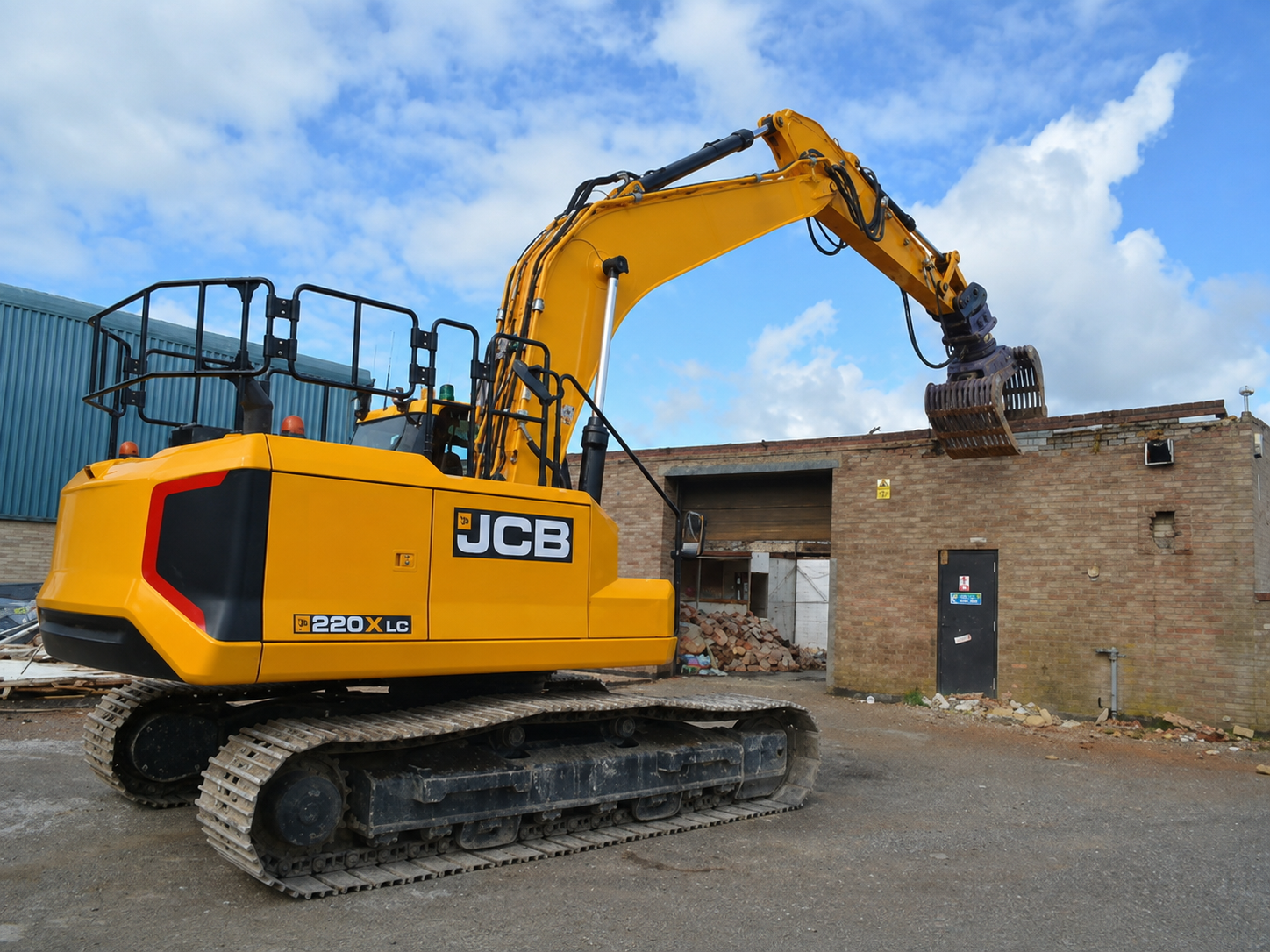
Demolition in practice
Controlled demolition, processing and clearance using the machine and attachment suited to the structure.